

Key Points
- ▸Most homeowners pay between $5,000 and $12,500 for a new HVAC system, with the national average near $7,500.
- ▸System type drives most of the cost — heat pumps and high-efficiency units cost more upfront but lower energy bills long-term.
- ▸Labor accounts for 40–60% of the total project, typically $75–$150 per hour.
- ▸High-efficiency systems maximize performance and airflow to significantly lower your seasonal heating and cooling costs.
The average cost of a new HVAC system ranges from $5,000 to $12,500, with most homeowners paying around $7,500. Costs vary significantly based on the type of system, home size, and whether ductwork modifications are needed. High-efficiency units and heat pumps tend to cost more upfront but can save money on energy bills over time.
Cost Breakdown
| Item / Type | Low | High | Average |
|---|---|---|---|
| Central Air Conditioner | $3,500 | $7,500 | $5,500 |
| Gas Furnace | $2,500 | $6,000 | $4,000 |
| Heat Pump System | $4,500 | $10,000 | $7,000 |
| Ductless Mini-Split | $2,000 | $5,000 | $3,500 |
| Boiler Replacement | $3,000 | $8,000 | $5,500 |
| Ductwork Installation | $1,500 | $5,000 | $3,000 |
| HVAC Repair | $150 | $1,500 | $500 |
| Thermostat Installation | $150 | $500 | $300 |
Cost by Home Size
| Home Size | Price Range |
|---|---|
| Up to 1,000 sq ft | $3,500 – $6,500 |
| 1,000 – 1,500 sq ft | $5,000 – $8,500 |
| 1,500 – 2,000 sq ft | $6,500 – $10,500 |
| 2,000 – 2,500 sq ft | $8,000 – $12,500 |
| 2,500+ sq ft | $10,000 – $15,000+ |
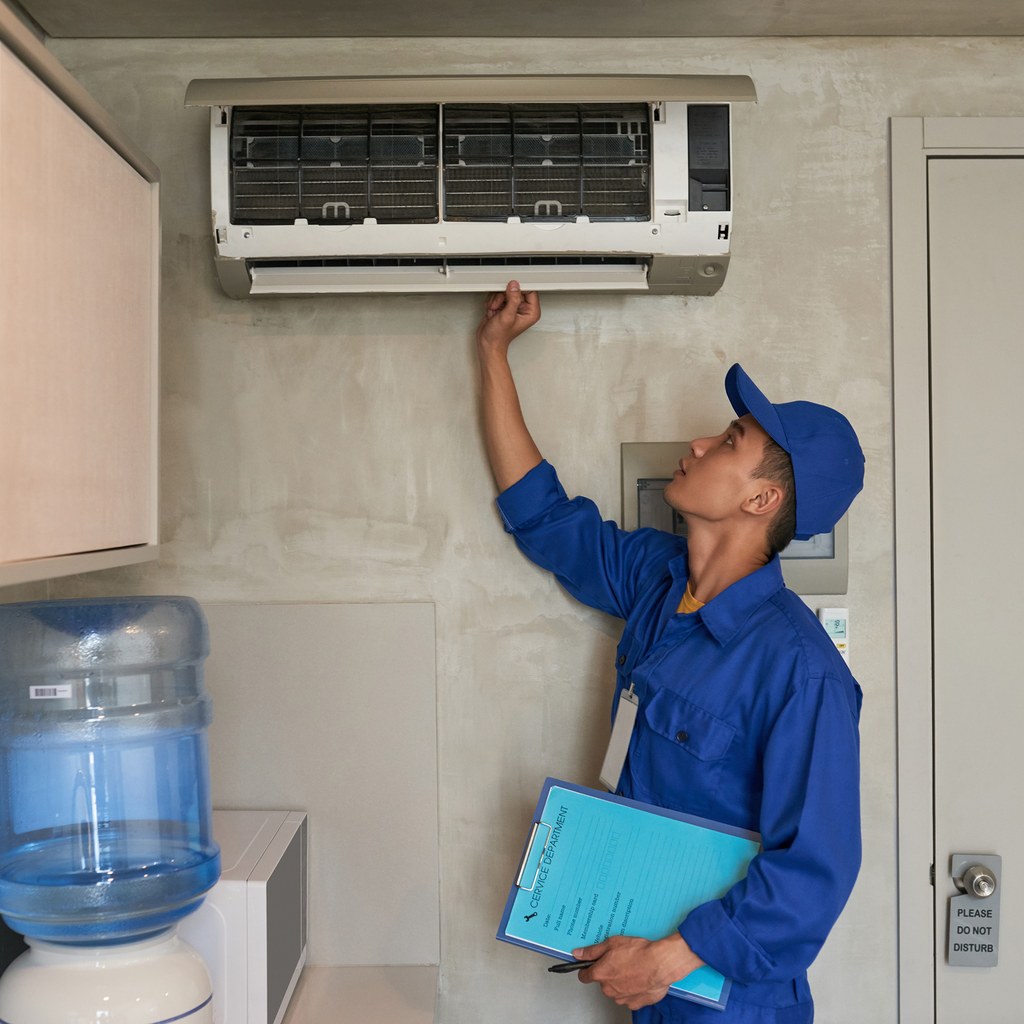
“If your system is over 10 years old and requires a major repair, consider weighing the cost of a temporary fix against a full upgrade. Allocating your budget toward a new high-efficiency system can help lower your monthly utility bills over time.”
— James Thompson, HomesAce Insights
Labor Costs
HVAC labor costs typically account for 40–60% of the total project cost. Most HVAC technicians charge between $75 and $150 per hour, with complex installations requiring multiple days of work.
Factors That Affect HVAC Cost
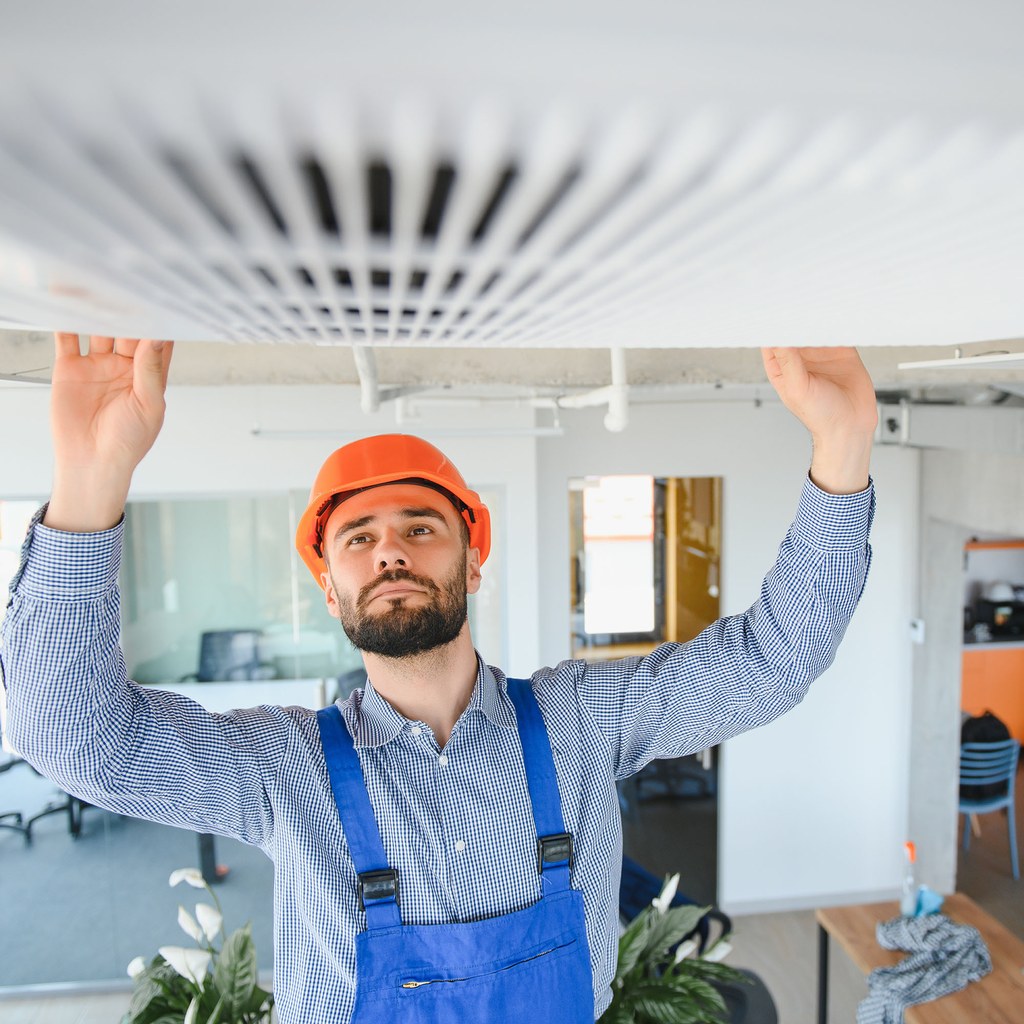
System Type & Efficiency
High-efficiency systems (16+ SEER) cost more upfront but reduce energy bills. Heat pumps and dual-fuel systems are pricier than standard AC and furnace setups.
Home Size & Layout
Larger homes require higher-capacity systems and more ductwork, increasing costs. Multi-story homes may need zoned systems for optimal comfort.
Ductwork Condition
Existing ductwork in good condition keeps costs down. Homes needing new or modified ductwork can add $1,500–$5,000 to the total project cost.
Geographic Location
Labor and equipment costs vary by region. Homes in extreme climates may need higher-capacity systems, and local building codes can affect installation requirements.
Brand & Warranty
Leading brands often cost more than budget-friendly options. Extended warranties and maintenance plans add to the initial price but can offer long-term peace of mind.
“Pro Tip: Plan ahead by requesting quotes in the spring or early fall. Demand is typically lower during these transitional shoulder months, which may help you secure more competitive project rates compared to peak seasonal rush periods.”

See real pricing from HVAC pros near you
Compare HVAC bids in your areaTips To Save Money On HVAC
Get Multiple Quotes
Always get at least three estimates from local HVAC contractors. Comparing quotes can help you secure more competitive options on your total installation costs.
Schedule Off-Season
Book your installation during spring or fall when demand is lower. Many contractors offer discounts during their slower months.
Check for Savings Options
Some local providers or manufacturers may offer seasonal savings options for eligible energy-efficient systems. Ask about current options when comparing quotes.
Maintain Your System
Regular maintenance extends system life by 5–10 years. Change filters monthly and schedule annual tune-ups to avoid costly emergency repairs.
“Pro Tip: Request a professional load calculation before selecting a system. Proper equipment sizing helps prevent short-cycling, balances indoor humidity levels effectively, and supports the long-term performance of your unit.”